Discernment and Judgment: The Leadership Skills that Go Hand in Hand
Jul 06, 2026
Discernment vs Judgment: The Leadership Skill Most Managers Skip
You know that feeling when someone close to you says they are fine, and you can tell they are not? The flat voice. The pause before they answer. You don't have proof. You just know something is off. You trust that sense at the dinner table, but you’re often less willing to trust it at the conference table.
The flicker you talk yourself out of
Picture a status meeting before a major product launch. The dashboard is all green. Everyone in the room agrees the launch is on track. Then you get to Marcus, your lead engineer of five years, the one who never gives a short answer. This time he says, “Yeah, we're good.” You feel a flicker. Something is not adding up. But you have four other fires to put out, so you let it go. That flicker is the exact same one you felt when your friend said “I'm fine.” You trusted it then. At work, you dismissed it.
Discernment is what you notice. Judgment is what you do.
Discernment is a perception skill. It's separating signal from noise and catching a cue that contradicts the official story. Judgment is the call you make about that cue.
**Doing nothing is still a judgment call, by the way.**
When you push the flicker aside, you have decided not to act on real information. The gap between noticing and acting is where most of us go wrong as leaders. We read the signal correctly, then override it because the dashboard is green and everyone is nodding. Confident numbers are easy to trust. That's exactly why they can be dangerous.
Judgment is a skill you can train
Sir Andrew Likierman, former dean of London Business School, studied judgment for years. Most people assume you either have it or you don't, like green eyes. He found the opposite. Judgment is a process, and any of us can get better at it.
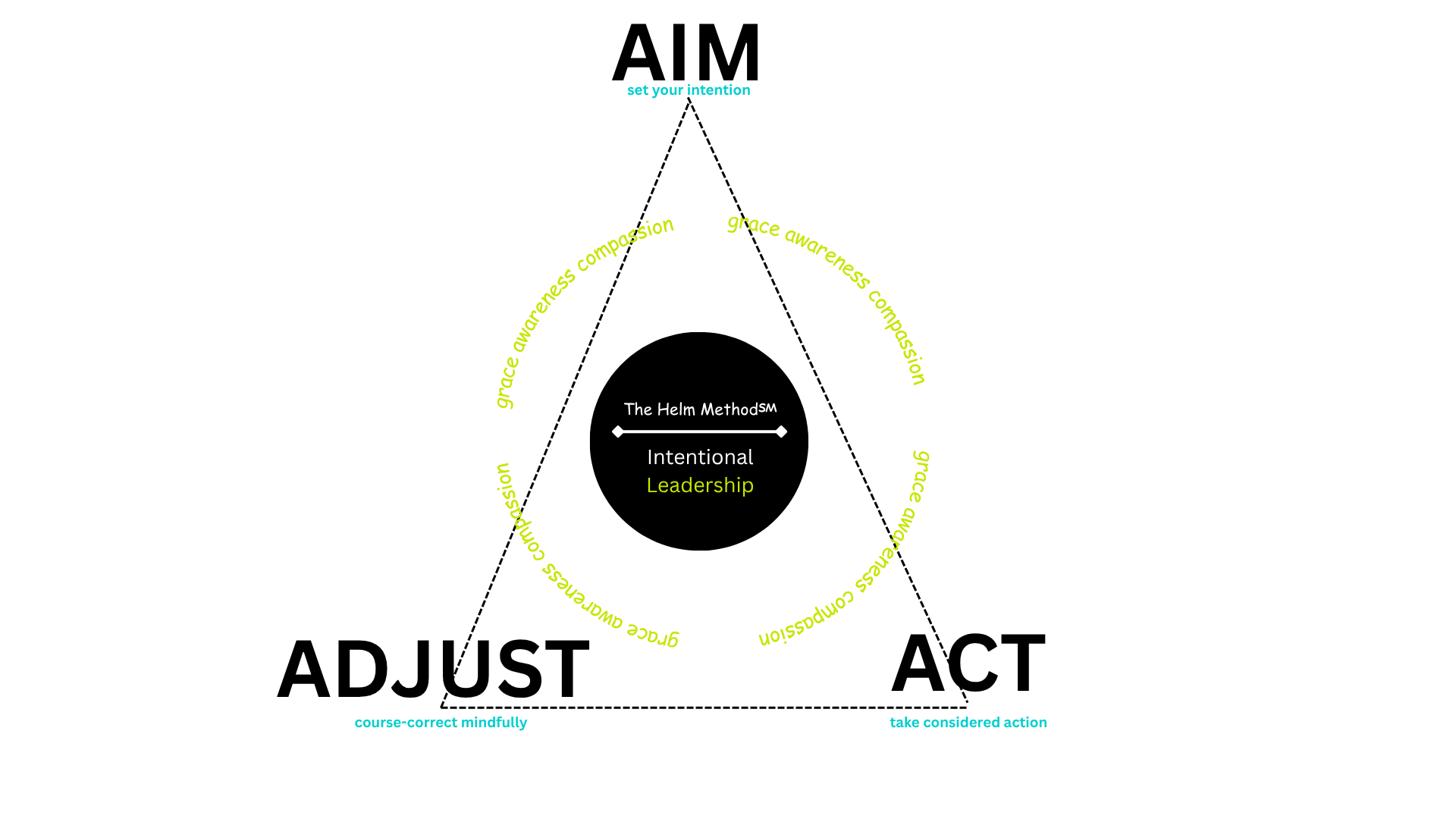
At Boss at the Helm, we use the Helm Method℠: Aim, Act, Adjust.
- Aim by setting an intention to be discerning and read the room, not just the report.
- Act by naming what you noticed out loud.
- Adjust with grace, because you are human working with humans and fallible data. People with good judgment stay curious and a little skeptical, in the best sense. They ask one more question before they sign off.
You can't make a good call on a situation you have misread. That's why discernment comes first.
This week, start by noticing the flickers and say it out loud before you decide what to do. You’ll begin to strengthen discernment and pause before rushing to judgment and decision.
Watch this week's Mini but Mighty℠ Leadership Lesson on YouTube
If you are a leader who wants your managers to make better calls, to become the individuals everyone can trust, our workshops and courses build these Human Intelligence skills across a team. Reach out at bossatthehelm.com/contact.
Lead yourself. Then lead others. Be a Boss.
Stay connected with news and updates!
Join our mailing list to receive the latest news and updates from our team.
Don't worry, your information will not be shared.
We hate SPAM. We will never sell your information, for any reason.
